There’s a version of this conversation that stays surface-level: a few paragraphs on clean lines, a mention of neutral colors, a nod to smaller apartments needing smaller furniture, and then a wrap-up. That version isn’t wrong, exactly, but it also doesn’t get anywhere near the actual decisions people face when they’re standing in a showroom in Karachi trying to figure out whether a particular sofa or bed frame will still make sense in their home five years from now. This piece is meant to go further than that into the history behind why Karachi’s furniture taste has shifted, the material science that actually determines whether Modern Furniture in Karachi survives this climate, and the room-by-room, budget-by-budget realities of putting a modern home together in this specific city.
At JF Homes, we manufacture furniture that gets lived in daily across a huge range of Karachi households: small apartments in Gulshan, larger family homes in DHA, rental units near Tariq Road, first homes bought by young couples in newer developments further out. That range has given us a fairly unsentimental view of what “modern” actually needs to deliver here, beyond how it photographs.
Where Karachi’s Furniture Taste Actually Came From
To understand why modern furniture has gained ground in Karachi, it helps to look backward for a moment. Furniture design in this city and across urban Pakistan generally carried strong influences from Mughal-era craftsmanship and later colonial-period British furniture for decades after independence. That legacy shows up in the heavily carved wooden furniture that still dominates a lot of older Karachi homes: ornate headboards, elaborately turned table legs, dark wood stains, brass or gold-toned hardware applied generously. It was furniture designed to signal status and permanence, often passed down across generations, built for homes with generous floor space and high ceilings, the kind of bungalow-style houses common in neighborhoods like PECHS, North Nazimabad, and older parts of DHA.
That architectural context has been shifting for a while now, and furniture taste has been shifting with it, not ahead of it. Karachi’s housing stock has changed substantially over the past fifteen to twenty years, with high-rise apartment developments and more compact housing schemes replacing a lot of the open-plan, single-family-home model that shaped earlier furniture design. Smaller, more vertically stacked living naturally pushes design preference toward furniture that takes up less visual and physical space which is a large part of why “modern” furniture in the sense of cleaner lines and lower visual weight has become more practical, not just more fashionable.
There’s also a generational and cultural shift running parallel to the architectural one. Increased exposure to global design trends through media and travel, a growing number of Karachi households with members who’ve lived or studied abroad, and simply more design content circulating online than existed a generation ago have all widened the reference points people bring into furniture shopping. None of that erases the older carved-wood tradition; plenty of Karachi homes still favor it, and there’s nothing wrong with that preference but it does explain why modern furniture has moved from a niche import-driven category to something locally manufactured at real scale.
What “Modern” Actually Refers To, Design-Wise
It’s worth being precise about the term, because “modern” gets used loosely enough in furniture marketing that it’s lost some of its meaning. In design history, Modernism as a movement — with roots in early-to-mid-20th-century movements like Bauhaus in Germany and later mid-century design in Scandinavia and the United States — was built around a specific set of principles: form should follow function, ornamentation for its own sake should be minimized, and materials should be used honestly rather than disguised as something else. A steel chair frame wasn’t painted to look like wood; a plywood chair shell wasn’t carved to mimic hand-craftsmanship it didn’t actually have.
Applied to furniture shopping in Karachi today, that history is a useful context rather than something to follow rigidly. The core idea worth keeping is that modern furniture design isn’t primarily about a specific look: light wood, matte finishes, simple hardware, it’s about a design process where every decision is made with functional intention, and where decoration, if it exists at all, supports rather than distracts from how a piece actually works. A modern dining table might have almost no ornamentation, but the proportions, leg placement, and edge treatment are all deliberate choices rather than default ones. That’s a different quality than simply having “less stuff” on a piece of furniture, and it’s the distinction worth carrying into any showroom visit.
Room by Room: What Modern Actually Looks Like in Practice
Living Rooms
Karachi living rooms have to do a lot of work everyday relaxing, hosting guests who show up without much advance notice (a genuinely common pattern here), sometimes doubling as an overflow space during family gatherings. Modern furniture in this context works best when it balances clean design with real flexibility. Modular seating, where sections can be rearranged or added to depending on how many people are actually in the room on a given day, tends to serve Karachi living rooms better than a fixed, oversized sectional that only makes sense for one specific room configuration. Low-profile coffee tables and console furniture with some built-in storage help keep a smaller living room from feeling cluttered, since Karachi apartments rarely come with generous built-in storage solutions of their own.
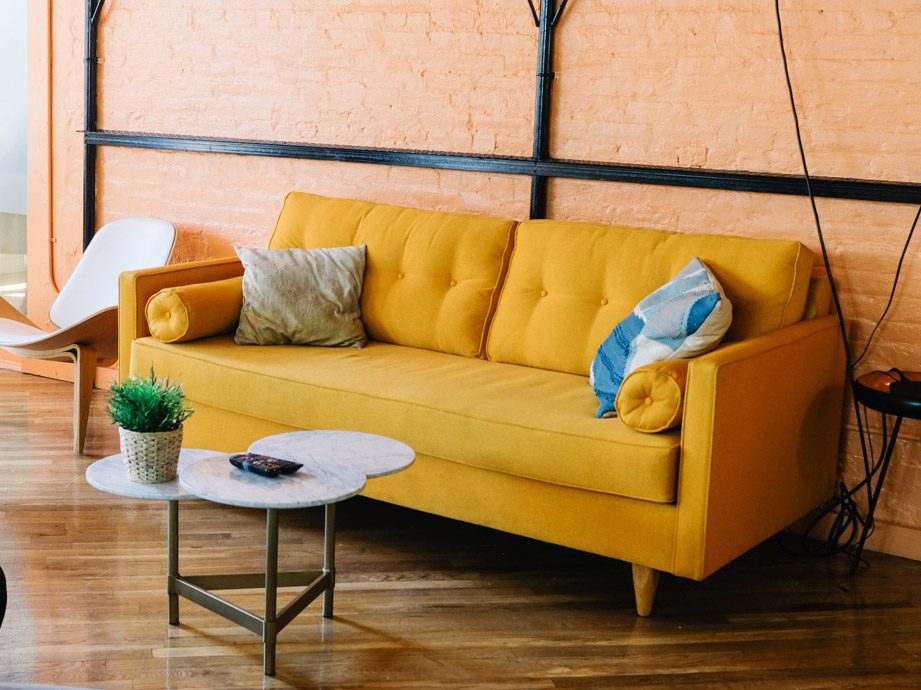
Fabric choice matters more here than people initially expect. Karachi’s dust levels are genuinely high compared to many cities, and heavily textured or light-colored upholstery shows dust and staining faster than tighter-weave, mid-tone fabrics. This is a practical consideration that has nothing to do with style trends and everything to do with how often you want to be cleaning a sofa.
Bedrooms
Modern bedroom furniture in Karachi tends to prioritize a calmer visual environment, lower headboards, simplified nightstands, wardrobes with flush or minimally detailed fronts rather than heavy paneling. Part of the appeal here is genuinely functional: a bedroom that isn’t visually busy tends to read as more restful, which matters in a city where the outside environment rarely offers much quiet. Built-in storage within the bed frame itself has become increasingly common in modern designs sold locally, largely because it solves a real space problem in smaller apartment bedrooms without requiring an additional freestanding storage piece competing for floor space.
Dining Areas
Dining furniture is one of the more interesting categories to watch in Karachi’s shift toward modern design, because dining tradition here still often involves larger gatherings than a strictly minimalist dining set comfortably accommodates. The compromise that’s worked well in a lot of modern Karachi homes is an extendable or expandable dining table clean-lined and modest in its everyday footprint, but able to accommodate additional leaves or extensions when a larger family gathering calls for it. This solves a real tension between modern design’s preference for restraint and Pakistani household patterns that regularly call for seating six, eight, or more people on short notice.
Home Offices and Study Corners
A category that’s grown substantially in relevance over the past several years, home office and study furniture in Karachi homes has had to adapt quickly to hybrid and remote work patterns that weren’t nearly as common a decade ago. Modern desk design here tends to favor compact footprints with genuine storage at least one usable drawer, cable management considerations, a surface large enough for a laptop and some paperwork without being so large it dominates a bedroom or a shared living space. Positioning near natural light has become a bigger consideration too, both for practical video-call lighting and because Karachi’s ambient light quality, when it’s not obscured by pollution haze, is genuinely good for working by.
Children’s Rooms
Modern furniture for kids’ rooms in Karachi households tends to emphasize rounded edges, durable matte finishes that hide scuffs better than high-gloss surfaces, and modular storage that can be reconfigured as a child grows from toddler years into adolescence. It’s a category where “modern” and “practical” overlap almost completely ornate, delicate furniture simply doesn’t survive a child’s room, so the same clean-lined, function-first design principles that define modern furniture generally end up being the sensible default here regardless of style preference.
The Material Reality Behind the Aesthetic
This is where a lot of furniture marketing gets thin, and where it’s worth spending real time, because material choice determines almost everything about how modern furniture actually performs in Karachi over years rather than months.
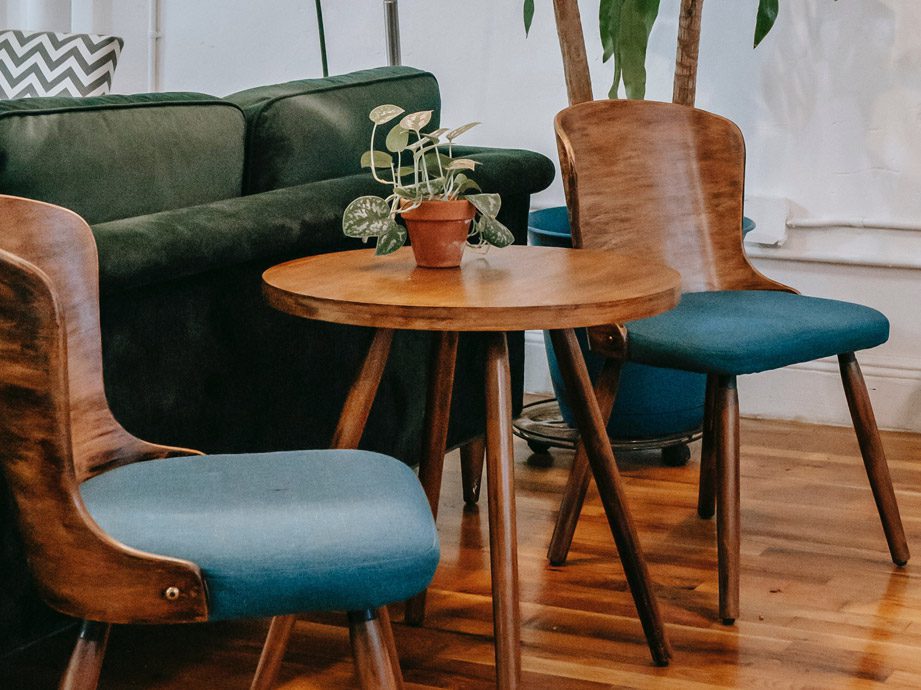
Wood remains central, even in modern design. There’s a misconception that modern furniture leans heavily on metal, glass, and synthetic materials, largely because that’s overrepresented in stock photography labeled “contemporary.” In practice, wood, particularly sheesham (also called Indian rosewood) and mango wood remains the backbone of most modern furniture that’s actually built to last in this climate. The shift from traditional to modern isn’t really about abandoning wood; it’s about how the wood is worked. Traditional pieces often used heavy carving and dark, opaque lacquer finishes. Modern pieces tend to use cleaner joinery, simpler surface treatment, and finishes that let more of the wood’s natural grain show through often a matte or satin finish rather than high-gloss lacquer.
Kiln-drying is non-negotiable in Karachi’s climate. Wood that hasn’t been properly kiln-dried before construction carries residual moisture that reacts badly to Karachi’s humidity swings, particularly during monsoon months. The result, over time, is warping, cracking at joints, and drawers or doors that stop closing properly as the wood expands and contracts unevenly. This is arguably the single most important, least glamorous fact in this entire article: ask about kiln-drying before asking about finish color, every time.
Metal accents need to be chosen carefully. Modern furniture design often incorporates metal legs, handles, structural frames and Karachi’s coastal, salt-air-influenced humidity is genuinely harder on unprotected or poorly coated metal than an inland city’s climate would be. Powder-coated or properly sealed metal hardware holds up considerably better than raw or thinly plated metal, which can develop surface corrosion faster than most buyers expect, particularly on pieces placed near windows or in less climate-controlled parts of a home.
Upholstery fabric affects both comfort and maintenance. For modern sofas, chairs, and headboards, fabric choice interacts directly with Karachi’s dust and heat. Breathable, tighter-weave fabrics tend to feel more comfortable in warmer months and show less visible dust buildup than looser-weave or heavily textured alternatives. Leather and faux-leather upholstery, while durable and easy to wipe down, can feel considerably hotter to sit on during Karachi’s long summer stretch, which is worth factoring in for pieces used daily rather than occasionally.
Finish coats matter more than finish appearance. A matte finish that’s been properly applied in multiple thin coats, with adequate curing time between them, protects wood significantly better than a single heavier coat rushed through production to meet demand. This is genuinely difficult to assess visually in a showroom, which is part of why asking direct questions about a manufacturer’s finishing process is worth the slightly awkward conversation it requires.
Color, Light, and the Karachi Environment
Modern furniture design tends to favor neutral palettes, warm woods, off-whites, greys, muted earth tones and this happens to align well with practical realities specific to Karachi. Strong, often harsh natural light for much of the year can wash out bold colors faster than in more temperate climates, causing visible fading on fabric and painted surfaces within a couple of years if they’re placed near windows. Neutral tones age more gracefully under that kind of sustained light exposure. Dust, which settles more heavily and more frequently in Karachi than in many cities, also shows less dramatically against mid-tone neutrals than against very dark or very pale surfaces, which is a small but genuinely relevant practical consideration for furniture that needs regular cleaning to stay presentable.
Space Planning: Small Apartments vs. Larger Homes
Modern furniture’s reputation for working well in small spaces is well earned, but it’s worth being specific about why. It’s not that modern pieces are inherently smaller; a modern sofa can be just as large as a traditional one; it’s that modern design tends to reduce visual clutter through simpler silhouettes, which makes a room feel less crowded even when the actual furniture footprint is similar. Furniture with exposed, slender legs rather than solid, heavy bases lets more floors visually “breathe” underneath it, which matters considerably in compact apartment layouts common in newer Karachi developments.
For larger JF Homes, modern furniture faces a different challenge: avoiding a sparse, underfurnished feeling that can happen when minimalist pieces get placed in a room sized for a more traditional, heavier furniture arrangement. The solution here usually involves scaling up proportions rather than simply adding more pieces — a larger modern sectional, a longer dining table, taller storage pieces — while keeping the same underlying design restraint, rather than filling extra square footage with additional smaller items that end up looking scattered.
Budgeting Across Modern Furniture Tiers
Modern furniture in Karachi spans a wide price range, and it’s worth understanding what actually drives that range rather than assuming higher price automatically means better design. At the more accessible end, modern-styled furniture using engineered wood with a real-wood veneer, simpler construction, and machine-applied finishes can deliver the clean aesthetic at a lower cost, though typically with a shorter realistic lifespan, particularly in humid conditions. Mid-range modern furniture generally uses solid wood construction with simpler joinery and standard finish processes, a reasonable balance for most households furnishing a long-term home without pursuing custom work. Higher-end modern furniture typically involves solid hardwood, hand-finished surfaces, and often some degree of customization in dimensions or configuration, priced accordingly for the additional labor and material quality involved.
None of these tiers is inherently the “right” choice; the right tier depends on how long a piece needs to last, how it’ll be used day to day, and what budget realistically allows. What matters more than which tier someone chooses is understanding clearly which tier they’re actually buying into, rather than paying mid-range or premium prices for furniture built to accessible-tier standards.
Local Manufacturing vs. Imported Modern Furniture
Imported modern furniture carries a certain appeal in Karachi’s market international brand recognition, design credibility tied to originating from countries associated with strong furniture design traditions. But imported furniture isn’t automatically better suited to local conditions, and in some respects, it’s worth being more cautious with rather than less. Furniture designed and manufactured for European or North American climates isn’t always adapted for Karachi’s humidity and heat, and adaptation, when it happens at all, isn’t always disclosed clearly to buyers. Locally manufactured modern furniture, when produced by an established brand with real quality control, has the practical advantage of being designed with this specific climate in mind from the start, along with more straightforward access to repairs, replacement parts, and warranty service without the delays and costs associated with imported goods.
This isn’t an argument that local is always better by default; quality varies significantly across local manufacturers too but it is a case for not treating “imported” as a reliable shortcut for quality, particularly for a product category as climate-sensitive as furniture.
Maintenance: What Modern Furniture Actually Needs Over Time
Modern furniture’s cleaner surfaces and simpler ornamentation generally make maintenance more straightforward than heavily carved traditional pieces, which accumulate dust in decorative grooves and detailing that’s genuinely difficult to clean thoroughly. That said, modern furniture in Karachi still needs some routine attention: wood surfaces benefit from periodic conditioning to prevent the finish from drying out and cracking under sustained heat exposure, upholstery benefits from regular vacuuming given local dust levels, and metal hardware should be checked periodically for early signs of corrosion, particularly in coastal-adjacent parts of the city. None of this is demanding, but it is worth building into a basic household routine rather than only addressing furniture maintenance reactively once a problem has already become visible.
Bringing It All Together
Modern furniture in Karachi isn’t really a single aesthetic decision; it’s the product of architectural change, shifting cultural reference points, and a genuine set of practical advantages for the smaller, more compact living spaces increasingly common across the city. Done well, it isn’t about stripping a home down to bare minimalism or chasing whatever’s currently trending online. It’s about applying a design philosophy rooted in function and honest material use to JF Homes that have their own specific climate demands, space constraints, and household patterns that don’t always match the reference images modern design trends originally came from. The furniture that actually succeeds here that still looks and performs well five or ten years after purchase is the furniture built with those specific, local realities in mind from the start, not furniture that simply borrowed a look from somewhere else and hoped it would translate.
Frequently Asked Questions
1. How is modern furniture design different from mid-century or contemporary styles?
Modern furniture generally refers to the design principles rooted in 20th-century Modernism function-driven form and honest material use. “Mid-century” refers to a specific era within that broader movement, while “contemporary” describes whatever’s currently trending, which shifts over time. In everyday Karachi furniture shopping, these terms often overlap loosely, so it’s more useful to focus on the underlying construction and design intent than the exact label used.
2. Does modern furniture work well in larger, traditional-style Karachi homes, or only in smaller apartments?
It can work in larger homes, but it requires scaling proportions up rather than simply adding more pieces. Oversized modern sofas, longer dining tables, and taller storage units maintain the same design restraint while filling a larger space appropriately, rather than leaving a big room feeling sparse.
3. What’s the realistic lifespan difference between accessible-tier and premium modern furniture in Karachi’s climate?
Accessible-tier furniture using engineered wood with veneer finishes often has a shorter realistic lifespan in humid conditions, sometimes showing wear within a few years. Solid hardwood furniture with proper kiln-drying and hand-finished surfaces typically lasts considerably longer, often a decade or more, with basic maintenance.
4. Are there specific fabric types better suited to modern upholstered furniture in Karachi?
Tighter-weave, breathable fabrics in mid-tone neutral colors tend to perform best, resisting visible dust buildup and fading from strong sunlight better than loosely woven or very light and very dark fabrics. Leather and faux leather are durable but can feel notably hot during Karachi’s long summer months.
5. Should metal hardware on modern furniture be a concern in Karachi specifically?
Yes, more than in drier or less coastal-influenced cities. Karachi’s humidity and salt-air exposure can cause unprotected or poorly coated metal hardware to corrode faster than expected. Powder-coated or properly sealed metal finishes hold up considerably better over time.