Furnishing an entire home in Karachi is a fundamentally different exercise than buying a single bedroom set or a one-off accent piece. It involves navigating a fragmented market of workshops, showrooms, and importers, coordinating deliveries across weeks or months, balancing budgets across multiple rooms, and accounting for a climate and housing stock that most generic furniture advice simply doesn’t address. Home furniture in Karachi holistically room by room, material by material, and market-behavior by market-behavior with the kind of practical detail that’s usually only learned the hard way, through a bad delivery experience or a warped wardrobe two monsoon seasons in.
Karachi’s Home Furniture Market Doesn’t Work Like a Single Industry
The first thing worth understanding is that “furniture” in Karachi isn’t one unified industry with consistent standards, it’s several loosely connected sub-markets that happen to sell similar-looking products. Manufacturing-heavy areas like Al Karam Road and the Timber Market near Boat Basin operate closer to a wholesale, workshop-based model. Retail-focused strips like Bahadurabad and Tariq Road function more like conventional showroom shopping. High-end areas in DHA and Clifton lean heavily on imported, ready-made inventory. And a large, semi-invisible layer of independent carpenters across North Karachi, Gulshan-e-Iqbal, and North Nazimabad handle custom orders directly, often without any storefront at all. Furnishing a whole home efficiently in Karachi usually means engaging with more than one of these sub-markets rather than sourcing everything from a single seller, something rarely explained clearly to first-time furniture buyers.
Living Room Furniture: Karachi’s Most Status-Driven Category
Of all furniture categories, living room sets tend to carry the most social weight in Karachi households, since this is the space guests actually see. This has a real effect on buying behavior: many families allocate a disproportionately large share of their total furniture budget to the living room, even when bedroom or kitchen furniture arguably sees more daily use.
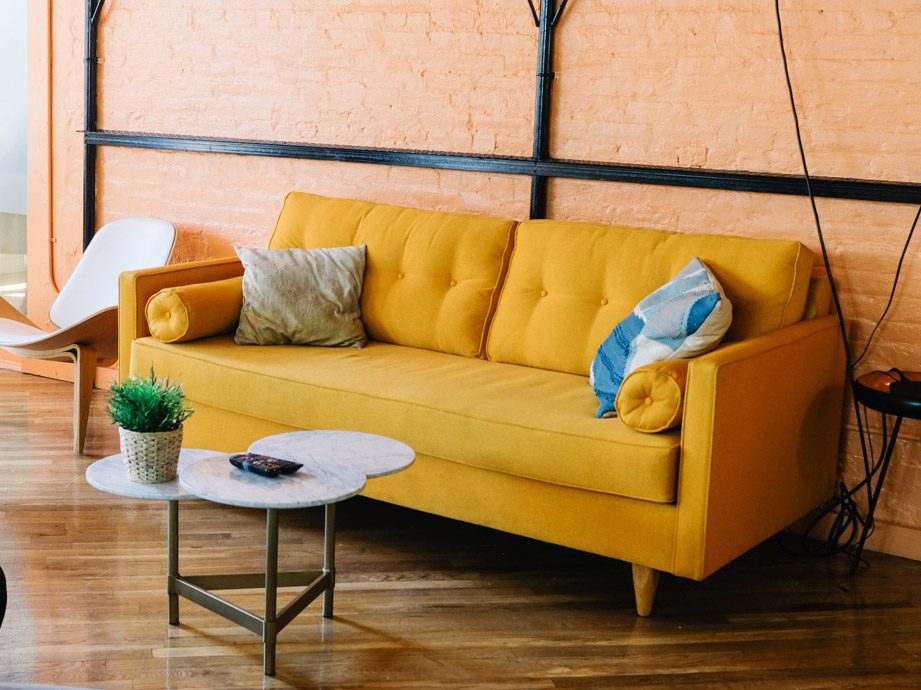
Sofa sets dominate this category, and Karachi’s market splits fairly clearly between two manufacturing approaches. Locally upholstered sofas, built on a wooden or occasionally metal frame with foam cushioning wrapped in fabric or leatherette, are the dominant choice, largely because they can be fully customized in size, fabric, and firmness a level of customization that ready-made imported sofas rarely offer at comparable prices. The tradeoff is that foam density varies enormously between workshops, and low-density foam, while cheaper upfront, compresses and loses shape within one to two years of regular use. Asking specifically about foam density (measured in kg/m³, though few sellers volunteer this number unprompted) is one of the few objective ways to compare sofa quality across sellers before the fabric and cushioning make everything look similar in the showroom.
Center tables and console units in Karachi living rooms increasingly use tempered glass tops over wood or metal bases, a trend that’s grown alongside the broader shift toward “modern” aesthetics. A detail worth knowing: tempered glass is significantly more resistant to shattering under normal impact than standard glass, but sellers don’t always disclose which type is used, and asking directly (and checking for the small etched certification mark often found in a corner of genuine tempered glass) is a practical way to verify before purchase.
Formal seating arrangements, including the traditional “sitting” or “baithak” style low seating with bolster cushions, remain common in more traditional Karachi households, particularly for hosting larger extended-family gatherings. This style tends to be more space-efficient for large groups than Western-style sofa arrangements, which is part of why it persists even as more contemporary furniture styles gain popularity elsewhere in the home.
Dining Furniture: Sizing for How Karachi Families Actually Eat
Dining furniture decisions in Karachi are shaped heavily by household size and hosting frequency, both of which tend to run higher than in many other markets. Extended family gatherings, frequent guests during religious occasions, and joint family living arrangements mean that dining tables are often sized with peak occupancy in mind rather than daily use leading many households to choose extendable dining tables, or to keep additional folding chairs in storage for occasional large gatherings, rather than permanently furnishing for maximum capacity.
Material choice in dining furniture follows a similar logic to bedroom furniture: solid wood (commonly sheesham or deodar) remains preferred for higher-end dining sets due to durability under frequent use, while MDF with laminate or veneer finishes dominates the budget-to-mid segment. One detail specific to dining furniture that’s rarely discussed: table tops that see frequent food contact benefit significantly from a proper PU or high-grade varnish sealant, since unsealed or poorly sealed wood absorbs spills and stains far more readily a maintenance issue that shows up faster in dining tables than almost any other furniture category simply due to how often they’re used and cleaned.
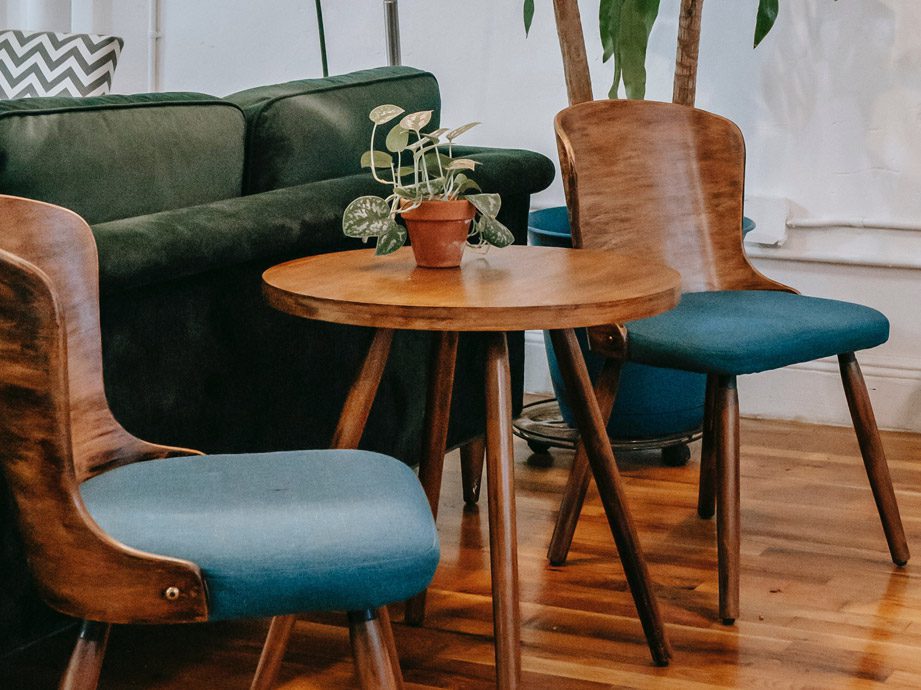
Dining chairs, often overlooked compared to the table itself, are where corner-cutting is most common. Weak joinery at the point where chair legs meet the seat frame is the most frequent failure point in budget dining sets, since chairs bear repeated stress from sitting, shifting, and being pulled in and out from the table far more than most other furniture pieces. Checking for reinforced corner blocks (small triangular wood or metal braces at the underside of the seat frame) is a practical, low-effort way to gauge chair durability before buying.
Storage Furniture: The Category Karachi Homes Rely On Most
Because dedicated storage rooms are uncommon in most Karachi housing, whether older bungalows, subdivided homes, or newer apartments, storage furniture across the home carries more functional weight than in markets where separate utility or storage rooms are standard. This shapes buying decisions for wardrobes, TV units, sideboards, and even bed frames, all of which are frequently expected to double as genuine storage solutions rather than purely decorative pieces.
TV units and media consoles in Karachi living rooms have shifted over the past several years from bulky, fully enclosed cabinet designs toward more open, low-profile units with mixed open-shelf and closed-storage sections partly a style shift, but also a practical response to modern entertainment setups involving routers, set-top boxes, and gaming consoles that need ventilation rather than being sealed inside a closed cabinet.
Sideboards and crockery units, still common in Karachi dining rooms, are one of the few furniture categories where glass-fronted display sections remain consistently popular, largely tied to the cultural practice of displaying good crockery, decorative items, or gifted items received during weddings and special occasions a functional and cultural role that’s specific enough to Karachi (and South Asian homes more broadly) that it’s rarely addressed in generic furniture content.
Kids’ Room and Study Furniture: A Growing but Underserved Category
As more Karachi families move into apartment-style housing with defined children’s bedrooms (as opposed to shared family sleeping arrangements more common in older housing patterns), demand for dedicated kids’ furniture bunk beds, study desks, and smaller-scale wardrobes has grown steadily, particularly in newer developments like Bahria Town Karachi, Gulistan-e-Johar, and DHA City.
Bunk beds specifically carry safety considerations that are worth flagging clearly, since they’re not always addressed by sellers unprompted: guardrail height on the top bunk, ladder stability, and the gap size between guardrail slats (to prevent a child’s head or limbs from becoming trapped) all vary significantly between manufacturers, and Karachi’s market currently lacks a standardized local safety certification for children’s furniture, meaning the burden of checking these details falls entirely on the buyer rather than being guaranteed by any regulatory baseline.
Study furniture, meanwhile, has seen rising demand tied to the growth of home-based tutoring and, more recently, hybrid learning setups that became more common in Karachi households following pandemic-era disruptions to in-person schooling. Desks with built-in cable management or power outlet cutouts, a small but increasingly requested feature are more commonly available now through custom orders than as standard showroom inventory, since most mass-produced study furniture in the local market wasn’t originally designed with device charging in mind.
Kitchen and Utility Furniture: Often Overlooked, Frequently Custom
Kitchen furniture in Karachi operates somewhat differently from other home furniture categories, since a significant share of kitchen cabinetry is built as fixed, custom installations rather than purchased as freestanding units particularly in owned homes where kitchen layout is planned around the specific room dimensions. This is a meaningful distinction from bedroom or living room furniture, where freestanding, movable pieces dominate.
For kitchen cabinetry specifically, moisture resistance matters more than in almost any other furniture category, given direct exposure to steam, spills, and general humidity from cooking. Marine-grade plywood, more resistant to moisture-related swelling than standard plywood or MDF, is increasingly recommended by experienced Karachi carpenters for kitchen cabinet carcasses, even though it carries a meaningful cost premium over standard board a tradeoff worth understanding rather than defaulting to the cheapest board option purely on upfront price.
Utility furniture, including storage units for laundry areas or servant quarters common in larger Karachi homes, tends to be the most price-sensitive category in the entire home, since it’s rarely seen by guests and functional durability is prioritized far more heavily than aesthetic finish.
Balcony and Outdoor Furniture: A Small but Climate-Sensitive Category
Outdoor and balcony furniture is a smaller segment of Karachi’s home furniture market compared to indoor categories, but it comes with climate considerations that are frequently ignored by buyers purchasing indoor-rated furniture for outdoor use. Karachi’s combination of intense summer heat, occasional monsoon rain, and coastal humidity is particularly hard on furniture not specifically designed for outdoor exposure untreated wood swells and cracks with repeated wet-dry cycles, and standard indoor-grade metal furniture corrodes noticeably faster outdoors than furniture with proper outdoor-rated powder coating or galvanization.
Rattan and synthetic wicker furniture, increasingly available in Karachi’s higher-end outdoor furniture segment, tends to perform better in these conditions than either untreated wood or unprotected metal, since synthetic wicker in particular resists both moisture damage and UV-related fading better than most alternatives commonly available in the local market.
Materials Across the Whole Home: A Practical Comparison
Rather than treating material choice separately for each room, it’s worth understanding how Karachi’s major furniture materials compare across the home as a whole, since the same core materials tend to repeat across categories:
Sheesham (Indian rosewood) remains the benchmark for solid wood furniture across categories dining tables, bed frames, and higher-end living room pieces alike prized for density and natural humidity resistance, though it commands a meaningful price premium and requires verification against veneer substitution, a known issue across Karachi’s furniture trade.
Deodar and local pine varieties offer a more budget-conscious solid wood option, common in mid-range dining and bedroom furniture, but require proper sealing to handle Karachi’s humidity reliably.
MDF and particle board with laminate finishes form the backbone of Karachi’s budget-to-mid furniture segment across nearly every room, from wardrobes to TV units to kitchen cabinetry, with quality varying significantly based on core density and edge-banding technique both of which are worth physically checking rather than judging by finish appearance alone.
Marine-grade and moisture-resistant plywood, while more expensive, is increasingly recommended for high-humidity-exposure furniture, specifically kitchen cabinetry, bathroom storage units, and balcony-adjacent furniture where standard board materials are more likely to fail prematurely.
Metal and metal-wood hybrids, common in modern furniture across the home, require attention to powder-coating quality regardless of room placement, since Karachi’s coastal air affects metal hardware even in indoor furniture, not just outdoor pieces, though the effect is naturally more pronounced with direct outdoor exposure.
How Karachi Households Actually Finance Whole-Home Furniture Purchases
Furnishing an entire home represents a significant expense, and Karachi’s furniture market has developed specific financing patterns rarely discussed in general furniture buying content. Installment-based payment plans, offered directly by many mid-to-large furniture retailers rather than through third-party financing, are common for larger whole-home orders, particularly around wedding-related furniture purchases where a full bedroom, living room, and sometimes dining set are ordered together as part of dowry or new-household preparation.
A practical detail worth understanding: installment terms offered directly by furniture sellers in Karachi vary enormously in structure some are genuinely interest-free arrangements spread over a few months, while others build an effective markup into the total price that isn’t always clearly disclosed as interest. Asking directly whether the installment total differs from the cash price, and getting that comparison in writing, is a practical way to understand the real cost before committing to a payment plan.
Delivery and Installation Logistics for Whole-Home Orders
Coordinating delivery for an entire home’s worth of furniture introduces logistical complexity that single-item purchases don’t involve. Sequencing matters more than most buyers initially expect larger pieces like wardrobes and dining tables generally need to be delivered and positioned before smaller items, and in older buildings with narrow stairwells or small elevators (a common issue in parts of PECHS, Nazimabad, and other older Karachi neighborhoods), large pieces sometimes need to be partially disassembled for transport and reassembled on-site, which affects both delivery timelines and, in some cases, final pricing if reassembly labor wasn’t included in the original quote.
For buyers furnishing an entire home at once, negotiating a single consolidated delivery schedule rather than accepting piecemeal delivery as different rooms’ furniture becomes ready is worth discussing directly with sellers upfront, since Karachi’s furniture logistics don’t automatically default to coordinated delivery unless specifically requested, and uncoordinated delivery across several weeks can leave a home partially unusable during the transition period.
Maintenance Considerations Across an Entire Home
Different rooms in a Karachi home experience different environmental stresses, which means a single maintenance routine doesn’t serve an entire home’s furniture equally well. Bedroom and living room furniture, generally in more climate-controlled spaces (especially where air conditioning is used regularly), face comparatively lower humidity stress than kitchen or balcony-adjacent furniture, which deal with direct moisture exposure far more frequently. Furniture placed near windows or balcony doors, meanwhile, faces more direct sun exposure, which can fade fabric upholstery and, over time, cause slight warping in wood pieces positioned in direct sunlight for extended periods — a detail worth factoring into room layout, not just furniture selection itself.
Termite risk, discussed more specifically in relation to bedroom furniture, applies across the whole home but affects different furniture types differently — wooden furniture in direct floor contact (bed frames, low console units, floor-level cabinets) carries meaningfully higher termite exposure than furniture with raised metal legs or elevated bases, which is worth considering specifically for ground-floor homes in higher-risk areas.
The Secondhand and Resale Furniture Market in Karachi
An aspect of home furniture in Karachi rarely covered in buying guides: the city has an active secondhand furniture market, particularly relevant for renters, students, or budget-conscious buyers furnishing a home for the first time. Areas with concentrated secondhand furniture dealers, along with informal listings through local classifieds and community groups, offer a genuinely lower-cost route to furnishing a home, particularly for less style-sensitive categories like utility storage or guest-room furniture where matching aesthetics matters less than functional durability.
The tradeoff with secondhand furniture in Karachi’s climate is worth being direct about: previously owned wood furniture carries a higher, harder-to-assess risk of prior termite damage or water damage that may not be visible without close inspection, particularly around joints and the underside of pieces — a risk that’s specific to buying used furniture in a humid, termite-prone environment rather than a universal secondhand furniture concern.
Final Thoughts
Furnishing an entire home in Karachi is less about finding one perfect furniture store and more about understanding how the city’s fragmented, multi-tier furniture market actually works matching each room’s specific functional demands, Karachi’s climate realities, and household living patterns to the right combination of sellers, materials, and buying strategies. Buyers who approach whole-home furnishing with this room-by-room, market-aware mindset consistently end up with furniture that holds up better and fits their actual living patterns more closely than those who shop purely on style or headline price.
Frequently Asked Questions
1. Should I buy all my home furniture from a single shop in Karachi, or shop across multiple sellers?
Most experienced buyers shop across Karachi’s different furniture zones retail showrooms for style comparison and manufacturing-focused areas like Al Karam Road for better pricing rather than relying on a single seller for an entire home, since no single sub-market consistently offers the best combination of price, quality, and selection across every furniture category.
2. What’s the most overlooked material consideration when furnishing a whole home in Karachi?
Moisture resistance varies significantly by room, and using the same material logic throughout the home is a common mistake: kitchen cabinetry and balcony-adjacent furniture generally benefit from marine-grade or moisture-resistant board, while bedroom and living room furniture in climate-controlled spaces face comparatively lower humidity stress.
3. Are furniture installment plans in Karachi genuinely interest-free?
It varies by seller; some offer genuinely interest-free installment terms, while others build an effective markup into the total price without always disclosing it clearly as interest, so comparing the installment total against the cash price in writing is worth doing before committing.
4. What should I check before buying secondhand furniture in Karachi?
Closely inspect joints and the underside of wood pieces for signs of prior termite or water damage, since Karachi’s humid, termite-prone climate makes previously owned wood furniture riskier to buy sight-unseen than in drier climates.
5. How should I plan delivery when furnishing an entire home at once in Karachi?
Requesting a single consolidated delivery schedule upfront, rather than accepting piecemeal delivery as different rooms’ furniture becomes ready, helps avoid a home being partially unusable for weeks during a staggered furnishing process.