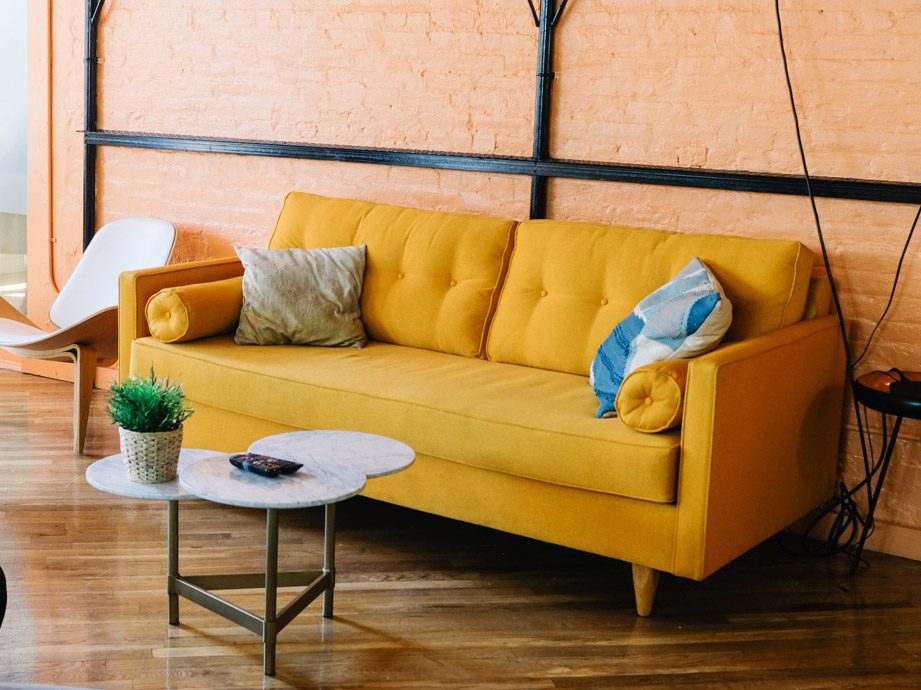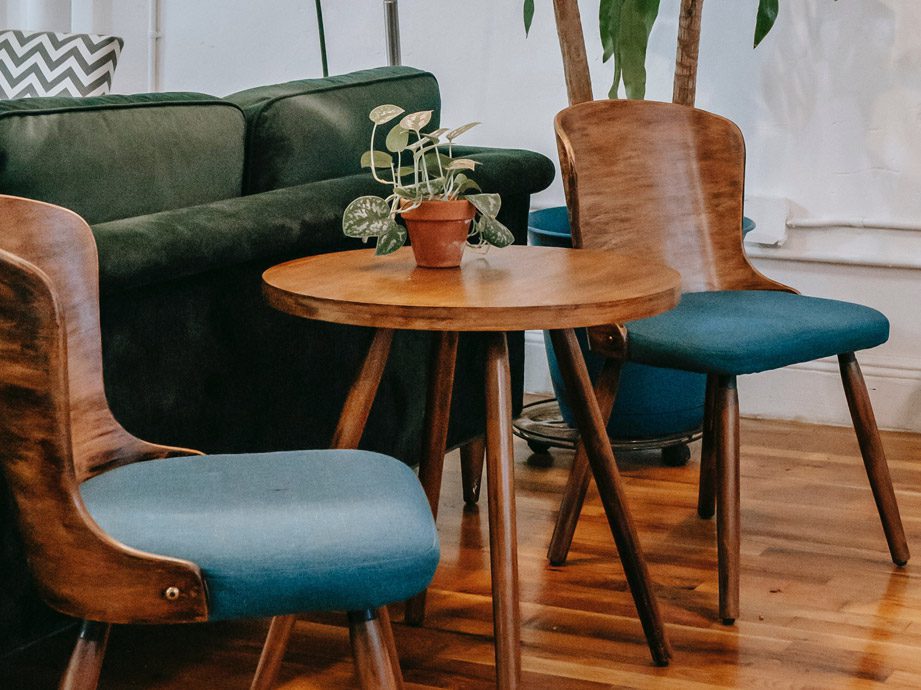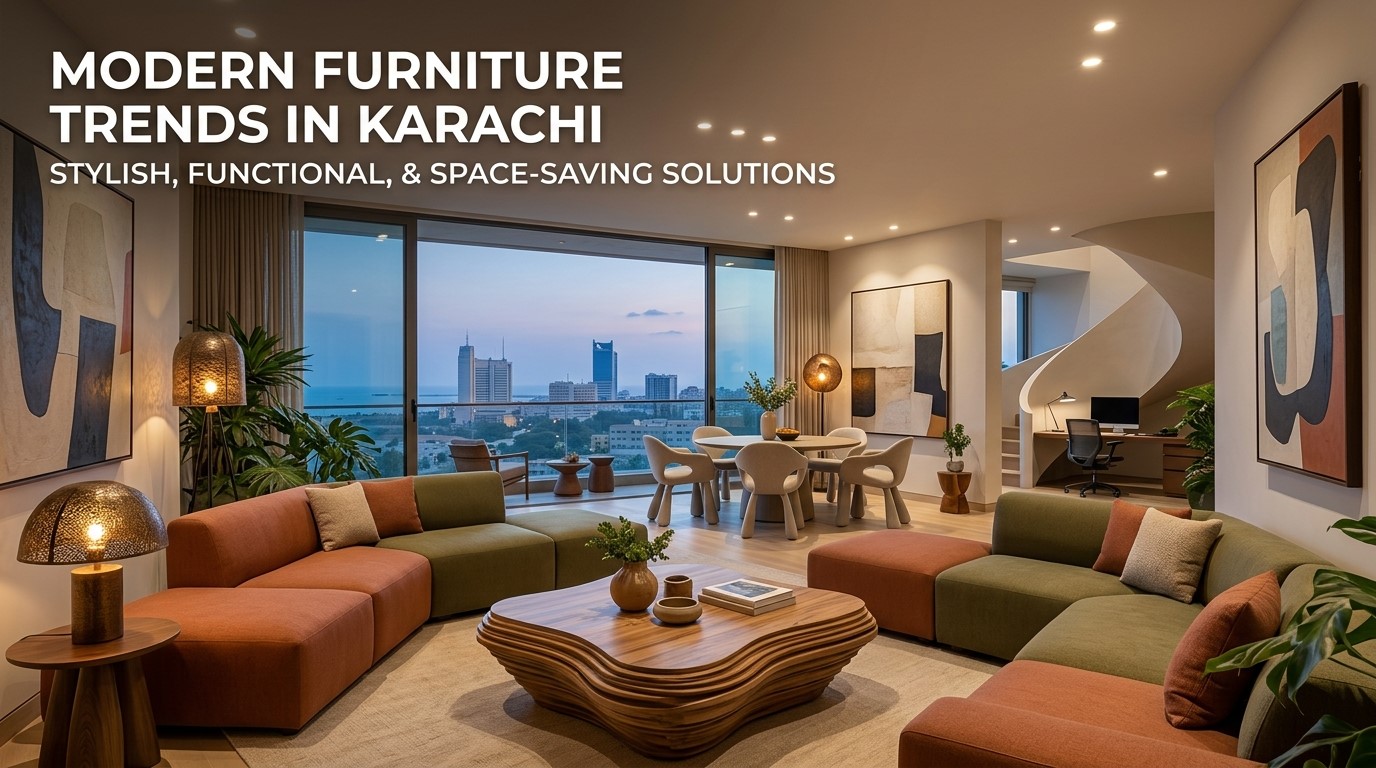
Walk through almost any newly built apartment, renovated bungalow, or downsized family home in Karachi today, and you’ll notice a clear shift away from heavy, ornate furniture toward simpler, cleaner pieces. This isn’t just a passing aesthetic trend driven by Instagram interiors; it reflects real, practical changes in how people are living: smaller floor plans, multi-purpose rooms, tighter budgets for square footage, and a growing preference for spaces that feel open and calm rather than crowded and formal.
If you’re furnishing a home with this shift in mind, there’s more to “Modern Furniture in Karachi” than picking pieces with straight edges and neutral colors. Understanding what actually makes furniture modern as opposed to just plain, or trendy, or cheap will save you from ending up with a room that looks fashionable for a season and dated within a few years. This guide walks through the full picture: what modern design actually means, why it’s become so relevant in Karachi specifically, what to check for quality, how to combine it with what you already own, and how a brand like JF Homes approaches modern bedroom furniture in practice.
What “Modern” Actually Means in Furniture Design
The term “modern furniture” gets used loosely in marketing, often as a stand-in for anything that isn’t heavily carved or traditionally styled. But modern design, properly understood, is a specific design language with its own history and principles — not simply the absence of decoration.
Modern furniture design traces back to design movements of the early-to-mid twentieth century that reacted against the ornate, heavily decorated furniture styles that came before them. The core idea was that a piece’s form should follow its function, that a chair should look the way it does because of how it supports the body, not because of decorative tradition, and that a wardrobe should be shaped by how it stores clothing, not by how many carved flourishes can be added to its facade.
In practical terms today, this translates to a few consistent characteristics:
- Clean, straight lines with minimal ornamental detailing.
- Functional proportions where the size and shape of a piece directly reflects its purpose, rather than being exaggerated for visual drama.
- Material honesty, where the natural texture of wood, the smoothness of a lacquered surface, or the contrast of metal accents is allowed to stand on its own, rather than being disguised under heavy detailing.
- Neutral to warm color palettes, often built around wood tones, whites, greys, and occasional deep accent colors, rather than the darker, richer palettes common in more traditional styles.
It’s worth separating this from two terms it’s often confused with. Minimalist furniture takes the “less is more” idea further than modern design typically does, often stripping a piece down to its most essential form with almost no visual warmth. Contemporary furniture, on the other hand, refers to whatever is currently trending which today often overlaps heavily with modern design, but by definition changes over time, whereas “modern” as a design language has stayed fairly consistent for decades. Traditional or classic furniture, by contrast, leans into ornamentation, symmetry through decorative carving, and richer, heavier forms the exact aesthetic modern design originally reacted against.
Understanding this distinction matters practically, because it affects what you should actually expect from a “modern” bedroom set. A well-designed modern piece isn’t necessarily the cheapest option in a catalog, nor is it automatically the most sparse-looking. It’s a piece where every visual element, the proportions, the wood grain, the hardware, is doing real work, rather than being decorative for its own sake.
Why More Karachi Homeowners Are Moving Toward Modern Furniture
There are several converging reasons why modern furniture has gained so much ground in Karachi specifically, beyond simple aesthetic preference, and understanding them helps explain why this shift is likely to continue rather than reverse.
Smaller Floor Plans in Newer Construction
Many newer apartment buildings and housing developments across the city, particularly in areas seeing rapid vertical development, have noticeably smaller bedroom footprints than older, single-family homes built decades ago. Heavy, deeply carved traditional furniture that might have suited a spacious older bungalow often overwhelms a smaller modern bedroom, both visually and physically, leaving little usable floor space. Modern furniture’s leaner proportions and simpler forms tend to fit these spaces far more comfortably.
Shifting Household Structures
Historically, furniture buying decisions in many Karachi households were shaped by joint-family living, where furniture needed to suit shared, multi-generational spaces and often leaned toward more traditional, symmetrical designs meant to convey a certain formality. As more households furnish homes as smaller, independent family units, young couples, small nuclear families, or individuals furnishing a first home priorities have shifted toward flexibility, personal style, and space efficiency, all of which modern design tends to support more naturally than heavier traditional styles.
Practical Maintenance Considerations
Karachi’s climate presents genuine maintenance challenges; dust accumulation is a near-constant issue, and humidity swings through the year can be tough on furniture surfaces. Furniture with fewer carved details, tighter corners, and simpler surface geometry is generally easier to clean thoroughly and maintain over time, since dust and grime have fewer places to accumulate unnoticed. This is a small but meaningful practical advantage that modern design offers over more heavily detailed traditional pieces.
Design Flexibility Over Time
Personal taste evolves, and major furniture purchases are not something most households replace frequently. Modern furniture’s clean, relatively neutral design language tends to remain compatible with shifting decor trends and color preferences far longer than heavily styled traditional or overtly trend-driven pieces, which can start to feel dated the moment the specific aesthetic moment they were tied to passes.
What to Look for in Quality Modern Bedroom Furniture
Because modern design relies on proportion and material quality rather than decorative detail to create visual interest, evaluating it well requires a slightly different eye than shopping for more ornate furniture, where decorative elements can sometimes mask underlying construction shortcuts.
Clean Joinery, Executed Precisely
Since there’s little ornamentation to distract from imperfections, any unevenness in a modern piece’s joints or edges becomes immediately noticeable. Well-built modern furniture should show crisp, consistent lines with no visible gaps at corners, no rough or uneven edges, and smooth transitions between different surfaces or panels. Running a hand along an edge or corner is often the fastest way to check this in person.
Material Honesty and Quality
Modern design often deliberately highlights the material itself, a warm, visible wood grain, a smooth matte-painted surface, or a subtly textured laminate rather than hiding it under decoration. This means the actual quality of that material matters more here than it might on a heavily ornamented piece where surface flaws are easier to disguise. Solid wood, or well-manufactured engineered wood with a genuine veneer, will generally hold up and age better than a thin laminate wrap over low-grade particleboard, even if both look similar in early photos.
Functional, Thoughtfully Integrated Storage
A hallmark of good modern bedroom furniture is storage that’s integrated smartly into a clean overall form, rather than achieved simply through bulk. A wardrobe with a simple, uncluttered facade but a genuinely well-organized interior adjustable shelving, a sensible mix of hanging space and drawers, accessible upper compartments represents modern design done well. A plain box with a flat front but no real internal planning is simply undersized traditional storage wearing a modern-looking exterior.
Proportions Matched to the Actual Room
Modern furniture tends to sit at a lower visual profile than heavier traditional pieces, which can create a false impression that it’s automatically more space-efficient. It’s still important to check actual dimensions against your room rather than assuming “simple-looking” translates directly to “compact.” A low-profile modern bed frame with a wide platform base, for instance, can still take up more floor space than expected once positioned against real walls and walkways.
Hardware That Matches the Design Intent
Because modern furniture often relies on flush surfaces and minimal external hardware, the hardware that is visible handles, or the mechanism of a handleless push-to-open drawer needs to function smoothly and reliably, since there’s nowhere for a poorly functioning mechanism to hide. Soft-close drawer slides and solid, well-fitted hinges matter just as much here as on more traditional furniture, if not more, since the clean design draws more attention to any friction or misalignment.
JF Homes builds its modern bedroom lines around exactly these priorities treating proportion, joinery precision, and functional storage design as the actual substance of “modern,” rather than relying on a stripped-back look alone to carry the aesthetic.
Modern Furniture Room by Room
While bedroom furniture is often the anchor of a modern furnishing project, thinking through how modern design applies across the different pieces within a bedroom and how it interacts with adjoining spaces helps create a more cohesive result.
The Bed Frame
In a modern bedroom, the bed frame is usually the visual centerpiece, and its design tends to rely on proportion and material rather than an elaborate headboard. A well-designed modern bed frame might use a simple upholstered or wood-panel headboard with clean geometric lines, letting the wood grain or fabric texture provide visual interest rather than carved detailing. Platform-style frames, which sit lower to the ground with a solid base rather than a traditional box spring setup, are common in modern design and tend to suit smaller rooms by creating a sense of openness above the bed.
The Wardrobe
Modern wardrobes typically favor flat-panel doors, sometimes with minimal or recessed handles, over the more elaborate paneling or carved detailing found in traditional designs. Sliding doors are common in modern wardrobe design, particularly in smaller rooms, since they don’t require door-swing clearance the way hinged doors do. The real design work in a modern wardrobe happens on the inside, thoughtful shelving, drawer placement, and hanging space organized around how the space will actually be used day to day.
The Dressing Table
A modern dressing table tends to be leaner and more streamlined than traditional versions, sometimes designed to double as a compact desk if the room serves multiple functions. Clean-lined mirrors, often frameless or with a simple slim frame, are common, along with drawer configurations that prioritize accessible daily storage over decorative flourishes.
Side Tables and Accent Pieces
Side tables and benches in a modern bedroom often serve as the easiest pieces to experiment with, since they’re lower-risk purchases that can be swapped out later if a particular choice doesn’t quite work with the rest of the room. Simple geometric forms, sometimes with a single accent material like a metal frame paired with a wood top, are common in this category.
Mixing Modern Furniture Into an Already-Furnished Home
Not everyone furnishing with modern pieces is starting from a completely empty room. Many households are gradually introducing modern furniture into homes that already contain more traditional pieces, whether due to budget constraints, inherited furniture, or simply furnishing a home over several years rather than all at once.
A full, abrupt mismatch between design styles in the same room can feel visually jarring rather than intentional. A more gradual, considered approach tends to work better in practice. Starting with one or two anchor pieces, typically the bed frame or wardrobe, since these dominate the room visually in a modern style, while keeping secondary accent pieces relatively neutral, creates a bridge between the two aesthetics rather than a stark contrast.
Wood tone consistency plays a significant role here as well. Choosing a new modern piece in a wood tone similar to existing traditional furniture, even if the design language itself differs meaningfully, helps the room read as a considered transition rather than an accidental mismatch. Over time, as more pieces are replaced, the room naturally shifts toward a fully modern look without ever going through an awkward, visually disjointed phase.
Budgeting for Modern Furniture
There’s a common but mistaken assumption that modern furniture, because it looks visually simpler, should also be meaningfully cheaper than more heavily detailed traditional furniture. In practice, the relationship between visual complexity and cost isn’t nearly that straightforward.
Clean, minimal designs require tighter manufacturing tolerances and more careful finishing than furniture with heavy ornamentation, which can sometimes disguise small inconsistencies in a way that a clean, simple surface cannot. A slightly uneven panel edge or an inconsistent finish is far more visible on a plain modern wardrobe door than it would be on a heavily carved traditional equivalent. This means production cost for well-executed modern furniture often lands in a similar range to comparable traditional pieces, rather than being significantly cheaper.
That said, modern design does tend to use materials more efficiently overall, since it generally avoids the additional material and labor that goes into decorative carving or elaborate trim work. This can make it a reasonable middle ground for buyers who want solid construction quality without paying specifically for ornamental detailing they don’t particularly want in the first place.
As with any significant furniture purchase, a sensible budgeting approach involves prioritizing spending on the pieces that see the heaviest daily use typically the bed frame and wardrobe while being more flexible with secondary pieces like a bench, accent chair, or side table, where a lower-cost choice has less impact on the room’s overall sense of quality.
Sustainability and Longevity Considerations
An often-overlooked advantage of well-made modern furniture is how it tends to perform over the long term, both aesthetically and in terms of durability. Because modern design tends to favor timeless proportions over trend-specific detailing, well-built modern pieces are less likely to feel dated within a few years compared to furniture tied closely to a specific decorative trend cycle.
From a material standpoint, choosing solid wood or genuinely well-manufactured engineered wood over particleboard alternatives has a meaningful impact on how long furniture stays functional before needing replacement which matters both for household budgets over time and for reducing the frequency of furniture disposal and replacement. A wardrobe or bed frame that remains structurally sound and visually relevant for a decade or more represents better long-term value, and generally a smaller environmental footprint, than a cheaper piece that needs replacing every two to three years.
Common Mistakes to Avoid When Buying Modern Furniture
A few recurring mistakes tend to show up when people shop for modern furniture without a clear framework for evaluating it.
Assuming “simple” automatically means “small.” As noted earlier, low-profile modern furniture can still occupy significant floor space. Always check actual dimensions rather than relying on visual impressions alone.
Overlooking internal storage design. A visually appealing modern wardrobe exterior says very little about how well the interior is organized. Ask specifically about shelving configuration, drawer placement, and hanging space before assuming a clean facade equals thoughtful storage.
Ignoring hardware quality because the design looks minimal. Minimal external hardware doesn’t mean hardware quality matters less if anything, a smoothly functioning, well-integrated mechanism matters more since there’s nothing else to distract from a poorly functioning drawer or door.
Buying based on a single photo rather than checking joinery and finish in person or through detailed images. Clean design photographs well from almost any angle, which can make it harder to spot minor construction flaws without a closer look.
Mismatching wood tones when combining with existing furniture. Introducing a modern piece in a dramatically different wood tone than existing furniture, without a deliberate transition plan, is one of the most common causes of a room feeling disjointed rather than intentionally eclectic.
Making the Final Decision
Before finalizing any modern bedroom furniture purchase, running through a short practical checklist helps confirm it’s genuinely the right fit rather than simply an appealing option in isolation:
- Does the scale actually suit your room’s measured dimensions, not just its general visual impression?
- Is the joinery and finish quality consistent with the price being charged?
- Will the piece coordinate reasonably with furniture you already own, if you’re not furnishing entirely from scratch?
- Does the internal storage design genuinely match how you use the room day to day?
- Is this a design you expect to still like in five to ten years, rather than one tied to a specific short-term trend?
Modern furniture, done well, isn’t about stripping a room of character; it’s about letting good proportions, honest materials, and thoughtful functional design do the work that ornamentation used to carry in more traditional styles. For homeowners across Karachi navigating smaller floor plans, evolving household structures, and a general preference for lighter, more adaptable living spaces, this approach tends to hold up both practically and aesthetically well beyond the initial purchase. The standard JF Homes designs its own modern bedroom collections around prioritizing proportion, construction quality, and genuinely useful storage over decorative flourishes that tend to fade in relevance over time.
Frequently Asked Questions
How is modern furniture different from minimalist furniture?
Modern furniture focuses on clean lines and functional proportions but still allows for warmth through material choice, texture, and thoughtful detailing. Minimalist furniture takes this further, often stripping designs down to the fewest possible visual elements, sometimes at the expense of warmth or personality.
What should I check before buying a modern wardrobe for a small bedroom?
Look closely at the internal storage layout rather than just the exterior design, since modern wardrobes rely on smart organization instead of bulk to feel spacious. Also confirm the actual measurements against your available wall space, since simple, low-profile designs can still be larger than they initially appear.
Why does joinery quality matter more with modern furniture than with heavily detailed traditional pieces?
Modern design has fewer decorative elements to distract from imperfections, so any unevenness in joints, panel edges, or finishing becomes far more noticeable. Traditional, heavily ornamented furniture can sometimes disguise minor construction flaws that would stand out immediately on a clean, modern surface.
How can I introduce modern furniture into a home that already has traditional pieces without it looking mismatched?
Start with one or two anchor pieces, such as a bed frame or wardrobe, chosen in a wood tone similar to your existing furniture rather than replacing everything at once. This creates a gradual, intentional-feeling transition instead of an abrupt contrast between two very different design languages in the same room.
Why isn’t modern furniture always cheaper than more traditional, heavily detailed pieces?
Clean, simple designs require precise joinery and careful finishing, since there’s no ornamentation available to hide small flaws, which often keeps production costs comparable to more decorative furniture. The cost reflects craftsmanship, material quality, and manufacturing precision rather than the amount of visible surface detail.